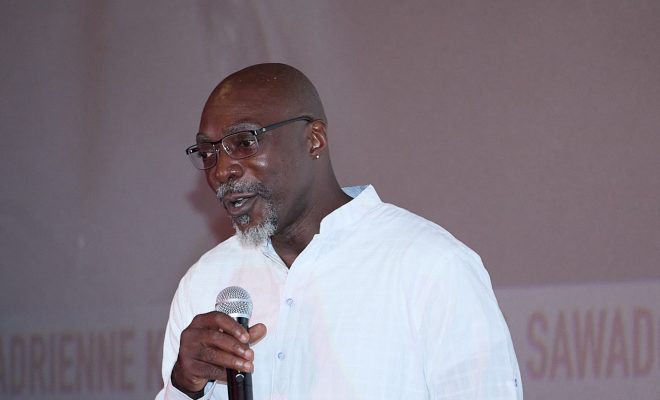
Owell Brown: “Sex, Love & Money is about our desires—and the price we put on them”
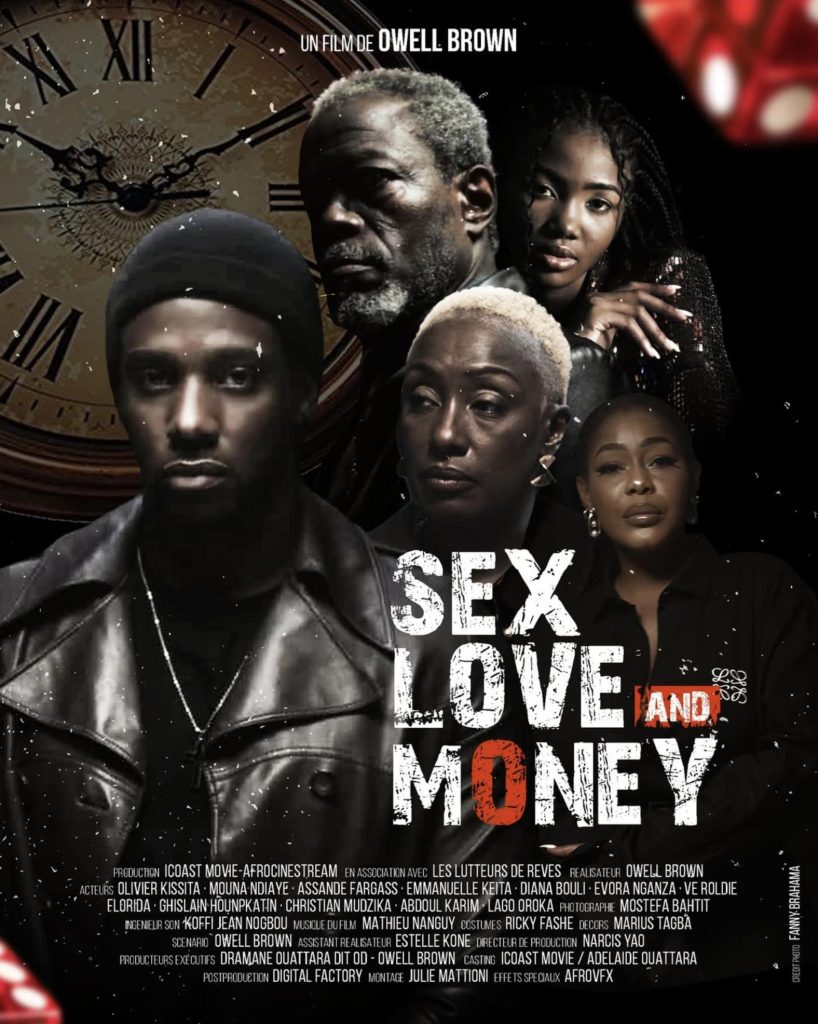
Writer-director Owel Brown signs Sex, Love & Money, a contemporary drama that observes—without judgement—the collision between desire, power and money. With Olivier Kissita in the lead as Axel, the film is lining up a rollout on Orange TV and aims to reach audiences on streaming platforms. Conversation.
“I wanted a film that speaks honestly, without moralizing—because you can love sincerely and still lose yourself when money enters the room.”
“Every decision has a cost—that’s where the film started”
Sandrine ELONO — Where did Sex, Love & Money begin for you?
Owel Brown — With a simple observation I kept seeing around me: our intimate choices carry a cost—sometimes financial, sometimes moral or emotional. I wanted to follow intersecting trajectories where no one is purely a victim or a culprit. The real question is how far we’re willing to go to feel desired, respected, protected.
S.E — So the film is about constant negotiation?
O.B. — Exactly. We’re negotiating with ourselves—our limits, ambitions, needs. The sex–love–money triangle generates very human tensions. I don’t judge my characters; I walk with them.
“Olivier Kissita owned the part of Axel”
S.E — Why cast Olivier Kissita as Axel?
O.B. — Axel requires charisma, intensity and vulnerability. Olivier brings a direct, compelling presence to the screen and a quiet inner gaze that lets the cracks show. He found the character’s tempo quickly: a loving, intelligent man pulled by forces bigger than himself.
“Axel needs an actor who can be magnetic—and dangerous to himself.”
S.E — What guided the rest of the cast?
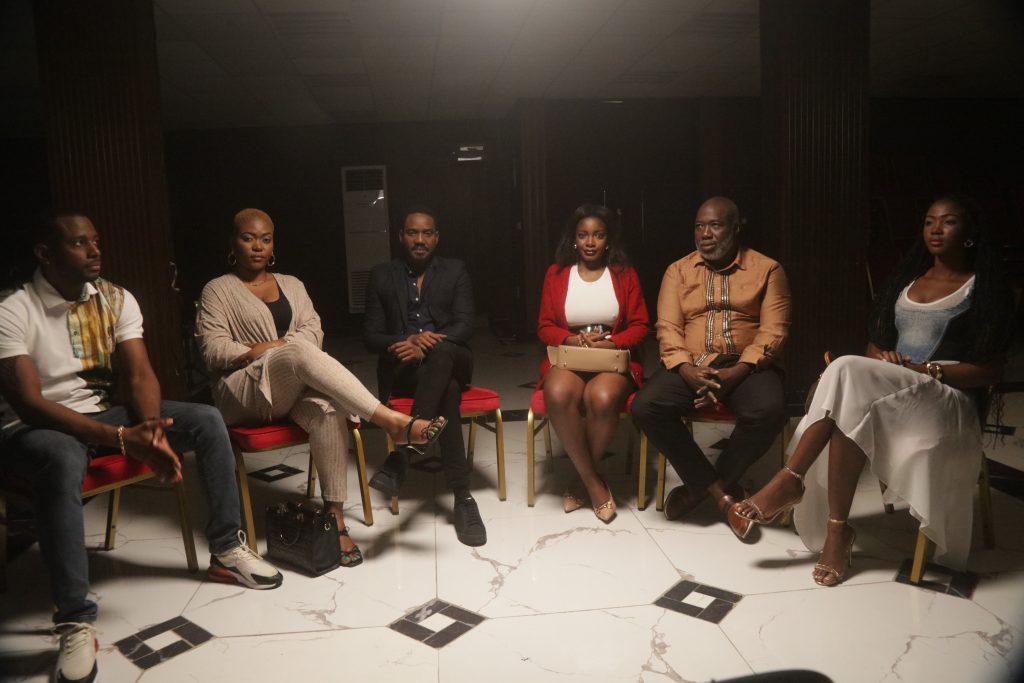
O.B. — A pan-African and diasporic ensemble. Paris is a crossroads; I wanted the frame to look like the city. I work with actors who bring their own truth—the script gives the line, the actor gives it life.
Writing & direction: “Close to bodies, far from judgement”
S.E — Your writing approach?
O.B. — Character-level writing. Fewer explanations, more situations. Dialogue leaves room for what isn’t said. We move through friction: a tender scene can shift because a social signal—a bill, a bag, a restaurant—reasserts money’s power.
S.M— And visually?
O.B. — A camera close to faces and bodies, with an organic rhythm. Light and music serve emotional tension, never the other way around. I wanted the audience to breathe with Axel and the others—to get attached, then worried.
Themes: desire, power, vulnerability
S.E — Ultimately, what is the film about?
O.B. — About the vulnerability we hide. We think we’re in control, but power dynamics—economic, emotional, symbolic—show up everywhere. Sex, Love & Money questions the value we assign to ourselves and the price we accept to pay to be loved, respected, visible.
Distribution: “Orange TV first—then the widest audience possible”
S.E — How and where will audiences see it?
O.B. — We’re rolling out on Orange TV first. Then we’re working toward wider exploitation, including platforms—Netflix if possible. The idea is simple: let people choose their screen. Cinema, TV, VOD, platforms—the right story should circulate.
“Audiences should find us where they already are—TV, VOD, platforms.”
Audience & take-away
S.E — Who is the film for?
O.B. — For anyone who loves character-driven stories. And for young African and diasporic audiences who want to see themselves without clichés—complex, contradictory, free.
S.E — A line you’d like people to keep?
O.B. — That love makes us brave… and money puts us to the test.
On today’s ecosystem: “Tell our stories—here and now”
S.E — A thought on African and diasporic cinema today?
O.B. — There’s a real appetite for grounded, contemporary, urban stories. The talent is there; bridges are multiplying between festivals, broadcasters and platforms. The challenge is letting films travel—and building sustainable models that respect authors while meeting audiences.